



06 Feb Love, Legacy and Lineage: Aristocratic Courtships Through the Ages
Valentine’s Day has a habit of shouting. Red roses, grand gestures, theatrical declarations of love — all very modern, and very loud. Historically, however, Britain’s aristocracy approached romance rather differently. Courtship was subtle, strategic, and often laced with a surprising amount of wit.
For the upper classes, love was rarely divorced from legacy. Marriage shaped estates, secured futures, and stitched families into the social fabric of the nation. Yet that doesn’t mean romance was absent — far from it. It simply unfolded with discretion, intelligence, and an understanding that the most enduring bonds are built over time.
Courtship as Conversation, Not Performance
Long before swiping right, aristocratic courtship relied on conversation. Letters were exchanged with care, visits were orchestrated under watchful eyes, and shared interests mattered deeply. Wit, education, and emotional restraint were prized far above dramatic declarations.
A well-turned phrase carried more weight than a dozen roses. A measured compliment could signal admiration without impropriety. In this world, understatement was seductive — and emotional intelligence was irresistible.
Our modern echo for love that lingers: Even today, there’s something refreshingly attractive about quiet confidence. Thoughtful communication, genuine curiosity, and emotional maturity remain far more compelling than spectacle.
Romance with Responsibility
Marriage among the aristocracy was rarely impulsive. Choices were made with an eye on the future — family alliances, land stewardship, and the continuity of a name. While this sounds practical (and often was), it also encouraged a deeper consideration of compatibility.
Partnership was not simply about passion, but about shared values. The strongest unions were those where affection and responsibility aligned — where two people could build something lasting together.
Our modern echo of romance with respect: In an age of fleeting connections, there’s renewed appeal in relationships rooted in stability, respect, and long-term vision.
The Theatre of Social Rituals
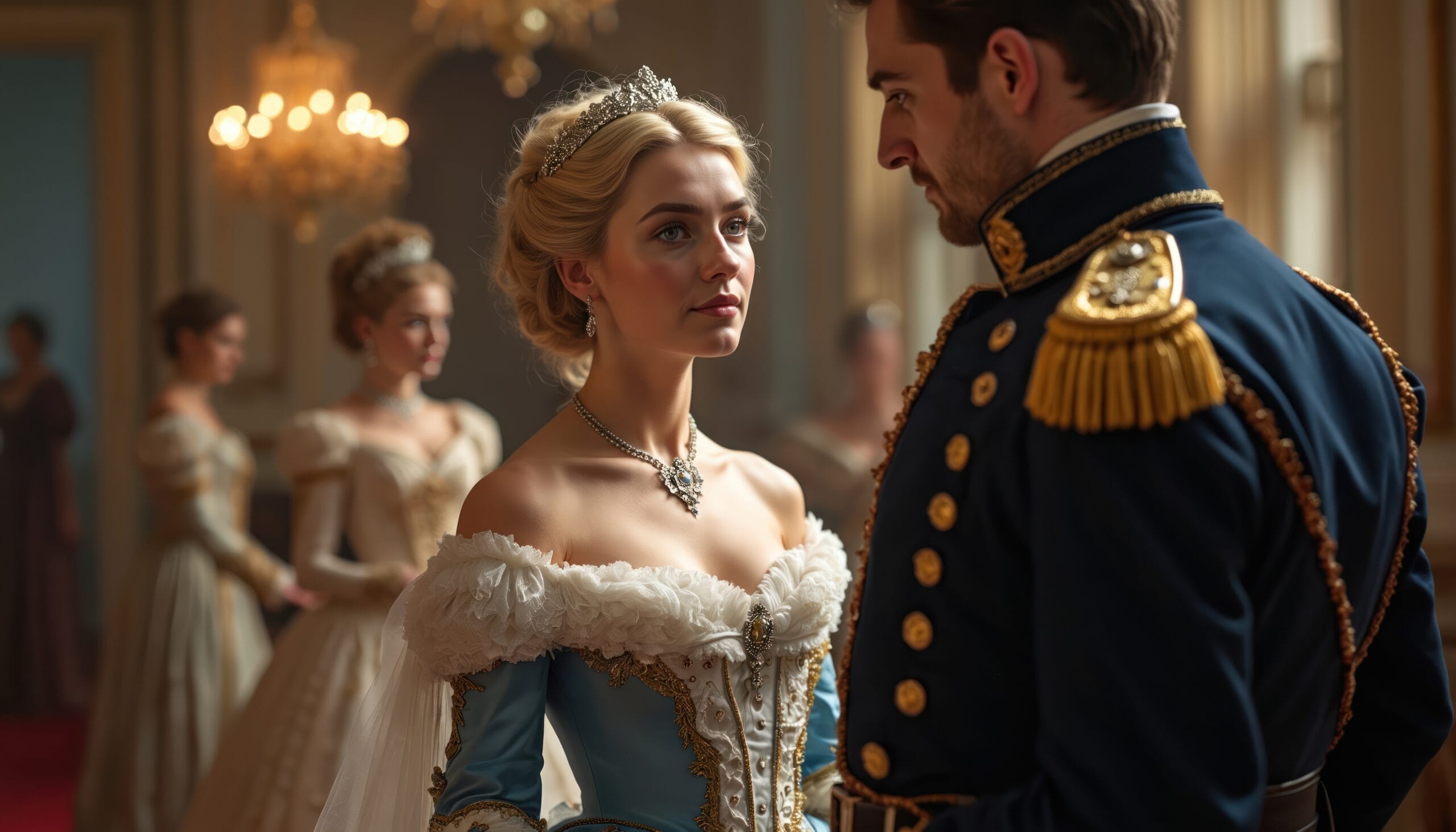
Balls, dinners, country house weekends — these were the carefully choreographed stages on which aristocratic romance unfolded. Nothing was rushed. Glances were exchanged across candlelit tables, dances allowed just enough proximity to spark interest, and introductions were weighed carefully.
These rituals weren’t restrictive so much as intentional. They allowed relationships to develop within a framework that encouraged dignity and mutual respect — a concept that feels quietly radical today.
Our modern echo of dates with depth: Creating space for connection — a well-hosted dinner, a meaningful invitation, a sense of occasion — still matters. Romance flourishes where attention and effort are present.
Love Letters, Not Love Bombing
Aristocratic love letters were famously restrained. Passion existed, certainly, but it was filtered through elegance and intellect. Words were chosen carefully, sentiments layered with nuance. A letter might take days to compose — and was often re-read for years.
In contrast to today’s instant messages and emotional oversharing, these exchanges valued anticipation and emotional depth.
Our modern echo S.W.A.L.K: Slowing down communication — writing with intention rather than urgency — can restore meaning to modern relationships.
Legacy as a Love Language
For the aristocracy, love extended beyond the couple. Marriage created lineage. Homes, titles, and responsibilities were passed forward, carrying stories with them. In this sense, commitment was not just personal — it was generational.
This perspective framed love as something that endured. Something that outlived its participants.
Today, that idea still resonates with those who value continuity over novelty. For some, exploring a manorial title is part of that thinking — a tangible connection to Britain’s historic landscape, and a distinction that can be held and passed on, much like values themselves.
A Quieter Kind of Romance
What makes yesteryear’s aristocratic courtship so appealing today is not its formality, but its restraint. Its confidence. Its refusal to rush.
In a culture saturated with grand gestures and performative romance, there is something deeply attractive about love that unfolds slowly, with intention and depth. Love that understands legacy as well as passion.
Whether through thoughtful connection, shared values, or an appreciation for heritage and continuity, this quieter approach to romance feels increasingly relevant.
Perhaps that’s the true lesson of aristocratic courtship: love doesn’t need to shout to endure.
And for those drawn to lineage, legacy, and the subtle markers of distinction, February offers not just a celebration of love — but an invitation to think more deeply about what we choose to build, and leave behind.
Love, Legacy — and the Quiet Continuation of Title
What makes aristocratic courtship particularly compelling is not merely the romance, but what it carried forward. Marriage was often the mechanism by which estates were secured, responsibilities shared, and manorial titles preserved through generations. These titles — attached to land, history, and stewardship rather than celebrity — could be inherited, passed down, and quietly maintained long after fashions and fortunes changed.
In this way, love was never entirely private. It was a considered step into continuity. And even today, manorial titles remain one of the few living links to that older world — transferable, enduring, and rooted in place rather than performance.
For those drawn to heritage with substance — not spectacle — aristocratic courtship offers a reminder that love, when aligned with legacy, can echo far beyond a single lifetime. Why not tap into the romantic depth of history and find the Manorial title that can become your legacy too.