



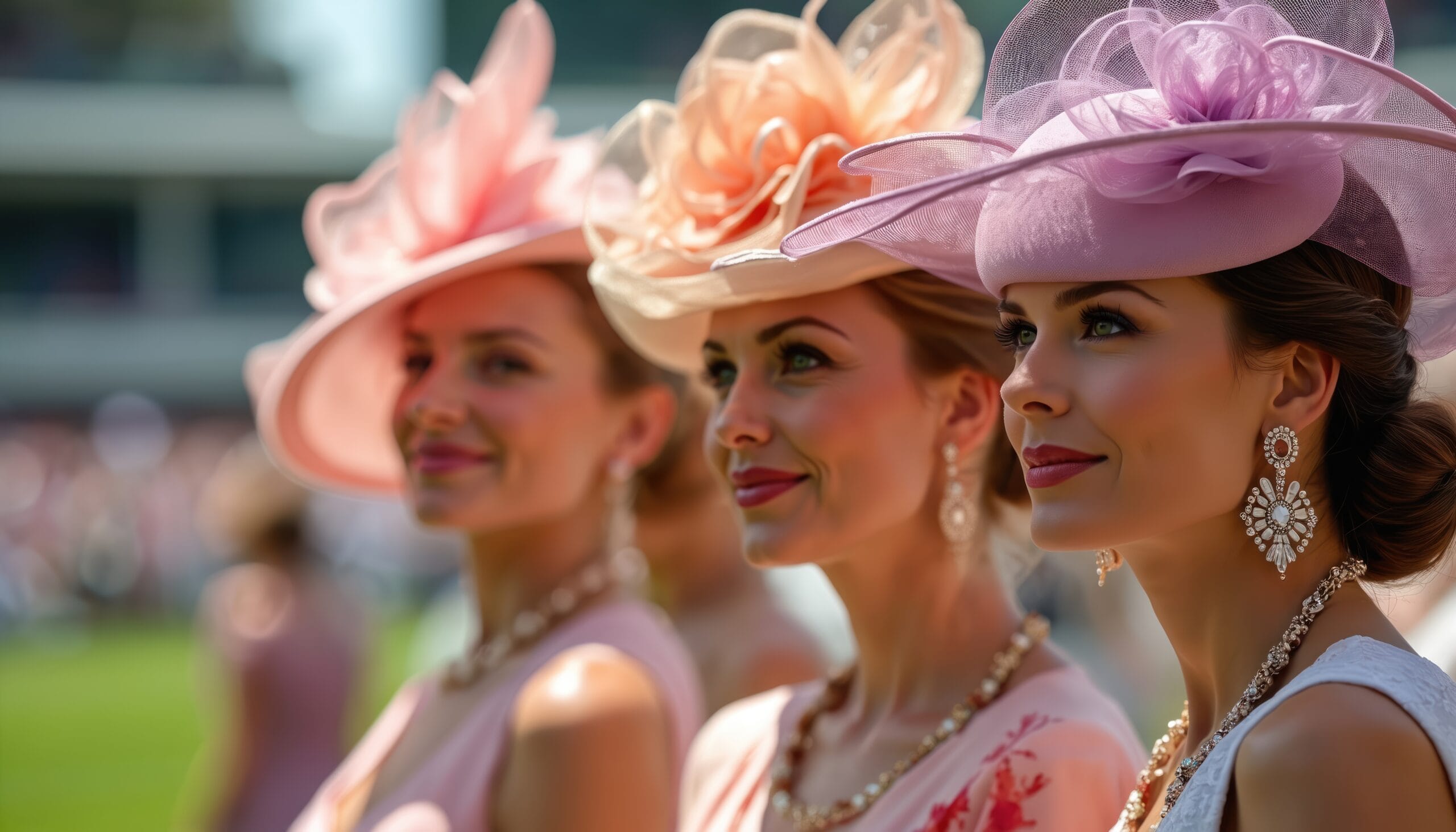
08 Jun Summer Elegance at Royal Ascot: A Lesson in Quiet Distinction
Every June, as the British summer begins to settle into its stride, attention turns to one of the most enduring fixtures of the social calendar: Royal Ascot.
To some, it is a horse racing event. To others, it is a showcase of fashion and pageantry. Yet to those who appreciate heritage and tradition, Royal Ascot represents something more subtle. It is a living example of how elegance, etiquette, and distinction can endure in a rapidly changing world.
For more than three centuries, Ascot has occupied a unique place in British society. While fashions have evolved and customs have adapted, the event continues to embody values that have long appealed to those who appreciate refinement: respect for tradition, attention to detail, and an understanding that true style rarely needs to announce itself.
In many ways, Royal Ascot offers a fascinating lesson in the art of quiet distinction.
A Tradition with Royal Roots
The story of Royal Ascot begins in 1711, when Queen Anne identified the heathland near Windsor as an ideal location for horse racing. What started as a sporting event gradually developed into one of Britain’s most prestigious social occasions.
Unlike many modern events that strive to reinvent themselves each year, Ascot’s appeal lies largely in continuity. The royal procession remains a central feature. Historic enclosures maintain long-established customs. Generations of families return year after year, participating in a tradition that stretches back centuries.
This sense of continuity is one of the reasons the event continues to resonate. In an age that often prioritises novelty, there is something reassuring about institutions that understand the value of preserving what works.
The Art of Dressing Well
Perhaps no aspect of Royal Ascot receives more attention than its dress code.
Yet what is often overlooked is that Ascot style has never truly been about extravagance. While headlines may focus on elaborate hats and striking outfits, the underlying principle is surprisingly restrained.
The most admired attendees are rarely those wearing the loudest ensemble. Instead, they are often those who demonstrate confidence through simplicity, quality and appropriateness.
This reflects a longstanding aristocratic understanding of style. Clothes should enhance rather than overwhelm. They should signal respect for the occasion without becoming the occasion themselves.
The lesson extends far beyond racecourses. Whether attending a summer wedding, hosting a garden party, or simply navigating everyday life, understated elegance remains one of the most enduring forms of sophistication.
Etiquette as a Form of Consideration
Modern discussions of etiquette sometimes portray it as old-fashioned or restrictive. Historically, however, etiquette served a different purpose.
At events such as Royal Ascot, etiquette provides a framework that allows large numbers of people to gather comfortably and harmoniously. It encourages consideration, courtesy and respect for others.
These principles are visible throughout the event. Guests dress appropriately. Conversations remain civil. Traditions are observed. The result is an atmosphere that feels both formal and welcoming.
Far from being outdated, these qualities feel increasingly valuable in a world where speed and informality often dominate.
Good manners, after all, never truly go out of style.
Society Beyond Celebrity
One of the most interesting aspects of Royal Ascot is the type of status it represents.
While contemporary culture often associates prestige with visibility, Ascot reflects a more traditional understanding of distinction. The event has long attracted individuals who value heritage, achievement, stewardship and contribution.
This is not a world built entirely on celebrity. Rather, it is one that continues to recognise the importance of continuity, responsibility and reputation.
Many of the families who attend have maintained connections to their communities, estates, professions and charitable causes for generations. Their standing derives not simply from recognition, but from participation in something larger than themselves.
It is a reminder that distinction is often earned through consistency rather than attention.
A Celebration of Heritage
Beyond the racing and socialising, Royal Ascot is ultimately a celebration of British heritage.
The pageantry, the traditions, the craftsmanship involved in tailoring and millinery, the care taken in hospitality and presentation, they all contribute to a uniquely British experience.
These elements speak to a broader appreciation of history and continuity. They demonstrate how traditions can remain relevant when they are genuinely valued rather than merely preserved for display.
This same appreciation for heritage explains the enduring appeal of Britain’s historic titles and manorial traditions. For many people, such distinctions represent a meaningful connection to the nation’s history, offering a tangible link to centuries of culture and continuity.
Like Ascot itself, they are reminders that heritage is not simply about the past. It is about carrying valued traditions into the future.
Heritage That Endures
For many people, the enduring appeal of Royal Ascot lies in its connection to a longer story. It offers a glimpse into traditions that have survived not because they are fashionable, but because they continue to hold meaning.
The same can be said of manorial titles. Rooted in Britain’s rich history and capable of being passed on to future generations, they represent a tangible link to the nation’s heritage. If you’re drawn to continuity, tradition and the quieter markers of distinction, a manorial title offers a unique way to become part of that ongoing story.
Explore our available manorial titles and discover your own connection to Britain’s historic heritage.